Askar SQA 106 Review
Without a doubt, one of the best telescopes an amateur astronomer can buy. Premium build, razor-sharp straight-out-of-the-scope images, and genuinely travel-friendly — field-tested from a back garden to the top of a volcano in Tenerife.
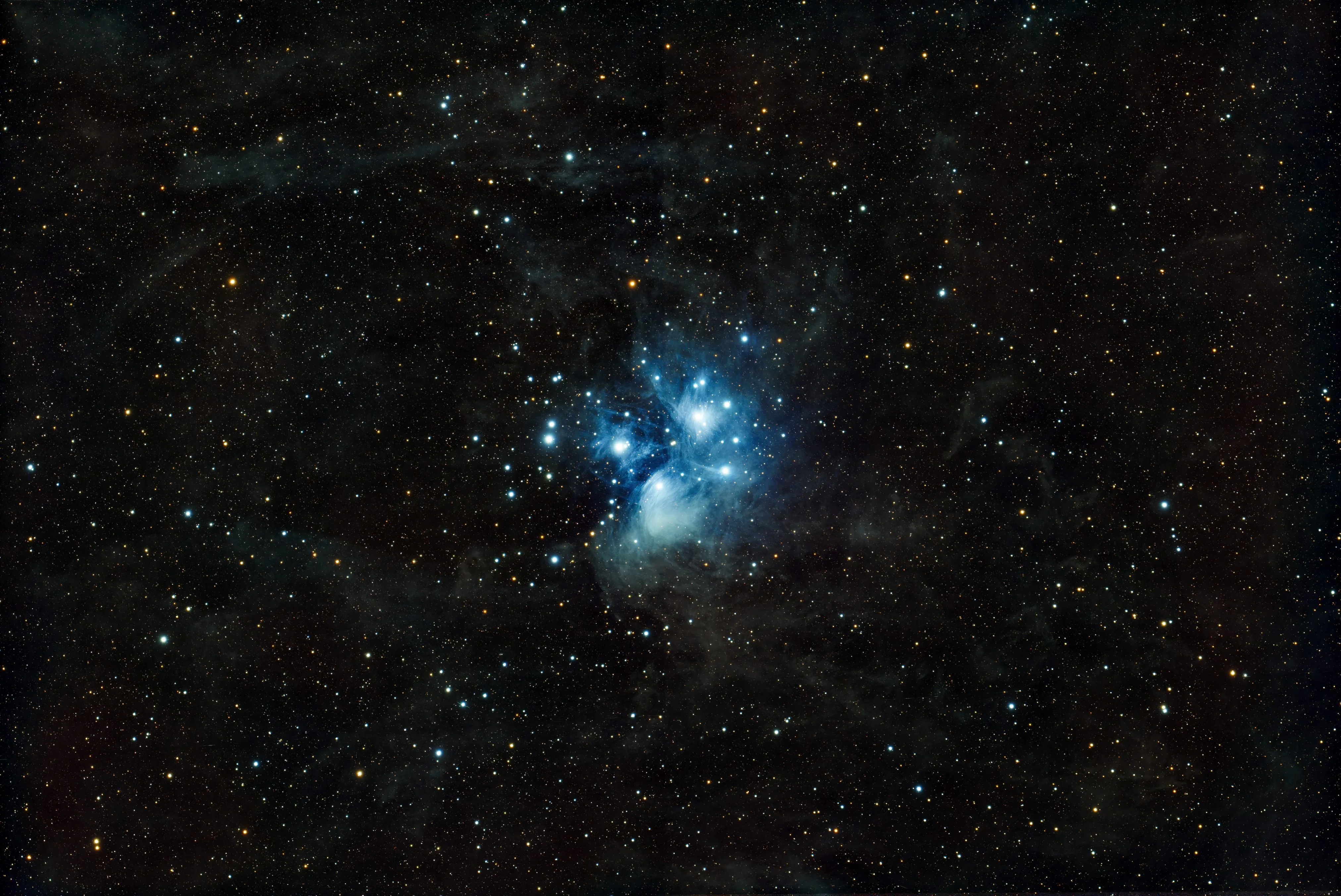
Hero image: M45 Pleiades captured with the Askar SQA 106 — pending a product photo.
Quick take
The Askar SQA 106 is, without a doubt, one of the best telescopes an amateur astronomer can buy. Premium build, razor-sharp images straight out of the scope, and genuinely travel-friendly — I field-tested it from a back garden to the top of a volcano in Tenerife. At £3,395 it sits firmly on the premium side of the market, but earns its price through observatory-grade build, a 44 mm full-frame image circle, and a fast f/4.8 ratio that pulls photons faster than any APO at this aperture I've reviewed.
What works · what doesn't
Pros
- Sharp, vibrant images straight out of the scope — almost no rescue work needed in post
- Observatory-grade build quality even in a back garden — feels premium in every detail
- Genuine quintuplet Petzval APO with two SD elements — not marketing language
- Travel-friendly — I took it to the top of a volcano in Tenerife in its foam carry case
- Losmandy dovetail is rock solid — mounting and demounting is fast and confident
- Full-frame 44 mm image circle — pairs beautifully with the ASI6200MM and ASI4400MC
- Fast f/4.8 focal ratio cuts exposure time meaningfully versus slower APOs
- No cost-cutting anywhere in the build — everything feels considered
Cons
- At £3,395 it is a real budget commitment — not an impulse purchase
- The Askar SQA 130 has now been announced — worth knowing before committing
- Not designed for visual astronomy — fast ratio is hard on eyepieces
- At 5.82 kg OTA it rewards a capable EQ mount (EQ6-R Pro class minimum)
- Overkill if you only shoot APS-C — you're paying for a circle you won't use
- Not a first-telescope purchase — best for imagers who already know the workflow
Who it's for
Best for
- Full-frame astrophotography
- ASI6200MM and ASI4400MC pairings
- Travel imaging
- Premium system builders
Skip it if
- Mainly visual observers
- Small or lightweight mounts
- Buyers waiting on the SQA 130
- First-telescope purchases
Key specs
- Aperture
- 106 mm
- Focal length
- 509 mm
- Focal ratio
- f/4.8
- Optical design
- Quintuplet Petzval APO · 2× SD elements
- Image circle
- 44 mm illuminated full-frame · 55 mm medium-format rated
- OTA weight
- 5.82 kg
- Length
- 516 mm retracted · 586 mm extended
- Rear threads
- M48 / M54 / M68
- Mounting
- Losmandy dovetail
Score breakdown · weighted
Each category is weighted by how much it matters for an astrograph. Imaging carries the heaviest weight; visual is scored but lightly weighted.
- Optical Quality Weight 18% 96/100
Exceptional. The sharpness and vibrance out of the scope with no processing was better than any telescope I've reviewed at this aperture. Chromatic control is tight and contrast is high.
- Imaging Performance Weight 20% 95/100
Live previews looked like finished images. Paired with the ASI6200MM and ASI4400MC, the SQA 106 delivered frames that needed almost no rescue work in post.
- Field Flatness / Sensor Coverage Weight 15% 93/100
Full-frame 44 mm image circle means the ASI6200 and ASI4400-class sensors get proper corner-to-corner coverage. Edge stars stay clean when backfocus is right.
- Build Quality Weight 12% 95/100
Observatory-grade. Opening the carry case, it feels like a scope Askar have not cheaped out on anywhere. Everything is tight, solid, confidence-inspiring.
- Ease of Use Weight 8% 86/100
The Losmandy dovetail makes mounting and demounting fast. Backfocus takes a little planning across different sensor formats, but after the first session it's routine.
- Portability Weight 8% 88/100
The real surprise. I transported this telescope to the top of a volcano in Tenerife in nothing more than its foam carry case. For a premium 106 mm astrograph, that's remarkable.
- Visual Observing Suitability Weight 7% 72/100
Can be used visually, but it wasn't designed for it. The fast focal ratio is punishing on all but the best eyepieces — this is an astrograph first and always.
- Value for Money Weight 7% 82/100
At £3,395 it's not cheap, but for the build and optical performance it is competitively priced against refractors that ask more for less. Real value, provided you can use what it offers.
- Upgrade / System Flexibility Weight 5% 92/100
M48 / M54 / M68 rear threads plus the Losmandy dovetail give you a system that integrates with almost any imaging train — future-proof for cameras and filter wheels alike.
A premium astrograph that felt almost like a forever telescope
From the moment you open the soft foam carry case, you can tell the Askar SQA 106 is a premium telescope — built to be placed inside an observatory, let alone in your own back garden. The sharpness and vibrance of the images produced straight out of the telescope were fantastic. With many telescopes I review, you really have to play around with the images to make them pop. But from the live previews I was getting with the SQA 106, I could tell immediately these images were going to be special.
I’ve reviewed a lot of Askar telescopes, and the general running theme is sharp, vibrant images — but the SQA range takes this to a whole other level. At £3,395, the SQA 106 sits firmly on the premium side of the market, but for good reason. The size and weight make it surprisingly travel-friendly: I actually took this telescope to the top of a volcano in Tenerife, simply by putting it in the foam carry case it came with. The Losmandy dovetail made mounting and demounting easy, and everything about the build felt incredibly strong and sturdy — no corners cut anywhere.
The full-frame 44 mm image circle meant I was able to pair it with very large sensors like the ZWO ASI4400MC and the ASI6200MM, with clean results. All in all, I was very happy with the SQA 106 and genuinely think it would have been my forever telescope — or at least my telescope for the foreseeable future. That was until Askar emailed me during the making of this review to announce they’re releasing the Askar SQA 130.
How the SQA 106 behaves in the field
Optical design and image quality
The SQA 106 is a quintuplet Petzval APO with two SD glass elements. In plain English: five carefully matched lens elements arranged so the focal plane lands flat across a wide field — no separate field flattener needed. The two SD elements pull off the trick that doublets and triplets can only approximate: they bring all visible wavelengths to nearly the same focal point, so blue, green, and red stars all sit at the same position with no false-colour halo around bright stars. The result is a corrected image at the sensor that needs almost no rescue work in post.
Full-frame image circle and camera pairings
The SQA 106 publishes a 55 mm medium-format image circle with a confirmed 44 mm full-frame illuminated coverage. In the review I paired it with two cameras specifically chosen to test that claim: the ZWO ASI6200MM (full-frame mono) and the ASI4400MC (full-frame OSC). With backfocus set to spec, corner stars stayed round all the way to the edge of the frame on both cameras. APS-C imagers will gain nothing from the unused outer image circle, which is why this is a scope for full-frame shooters or those planning to upgrade.
Build quality and the Losmandy dovetail
Everything about the build feels considered. The focuser doesn’t slip under load, the dew shield retracts smoothly, and the supplied Losmandy dovetail bar is rock solid — mounting and demounting on a Losmandy-saddle mount feels confident and fast. There’s no rattling, no flex, no detail that feels cheap.
Portability — the Tenerife volcano test
I took this scope to the top of a Tenerife volcano in nothing more than its supplied foam carry case. For a 106 mm premium astrograph, that’s remarkable. Travel-friendly to the site, of course — the mount still needs to be capable on the tripod.
The Askar email that changed the calculation
During the making of this review, Askar emailed to announce the SQA 130 — a similar design at a larger aperture. If your budget and mount can absorb the step up, it may be worth waiting for independent reviews. For most imagers, the SQA 106 remains the smarter pick today: proven, available, more portable, and almost certainly cheaper.
The bottom line
The Askar SQA 106 is, without a doubt, one of the best telescopes an amateur astronomer can buy. I cannot speak highly enough of this telescope, which is why, for me, it earns 91 out of 100 in terms of Stars for Your Book — a hair off the score of a forever telescope, only because the SQA 130 announcement made me pause before committing.
For full-frame astrophotographers ready for a premium scope — who value travel-friendly form, observatory-grade build, and images that don’t need rescuing — this is the one to buy. For everyone else, look at the alternatives below.
For more from me on telescopes, astrophotography, and the night sky, visit my main site at damonscotting.com.
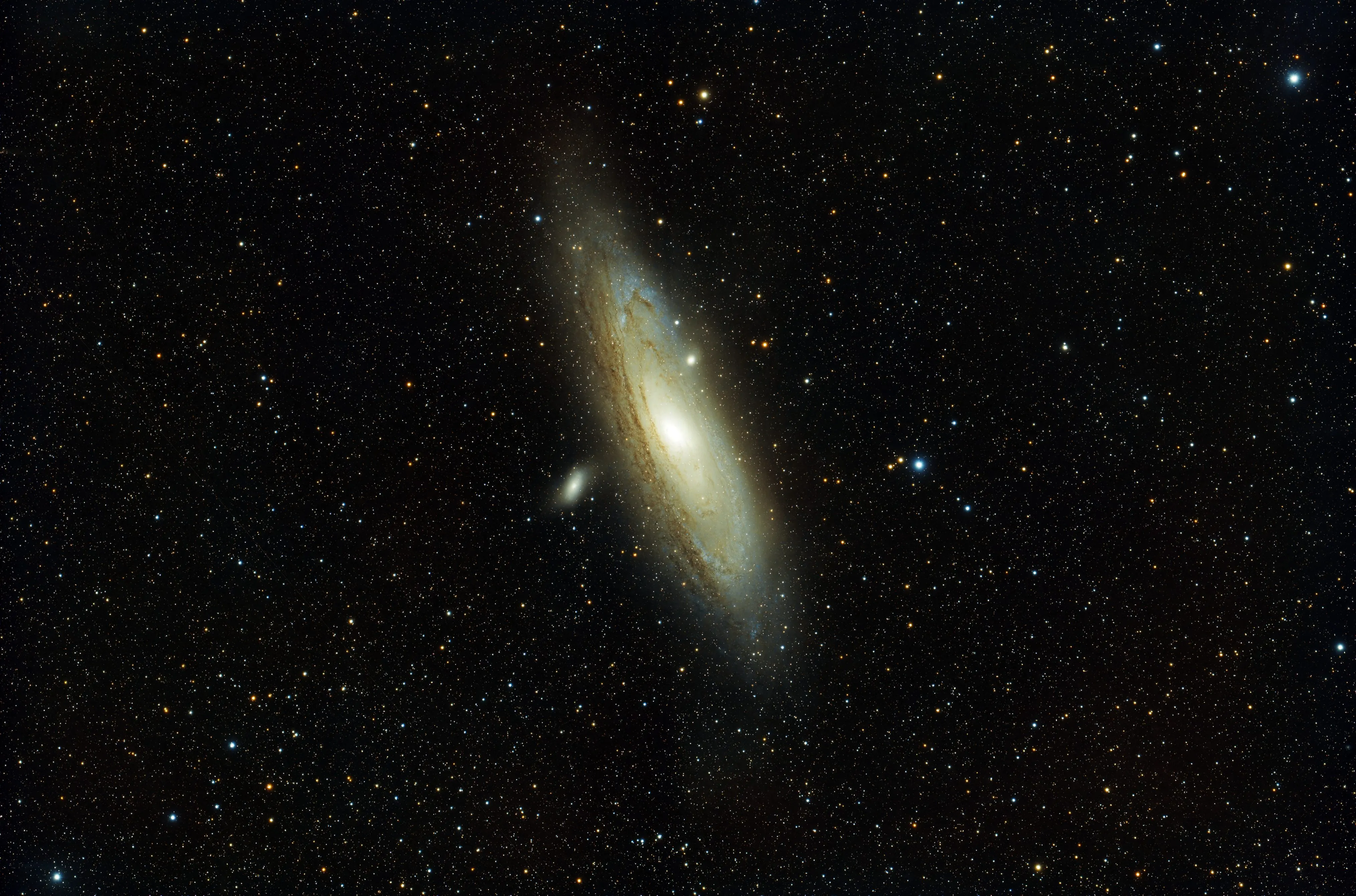
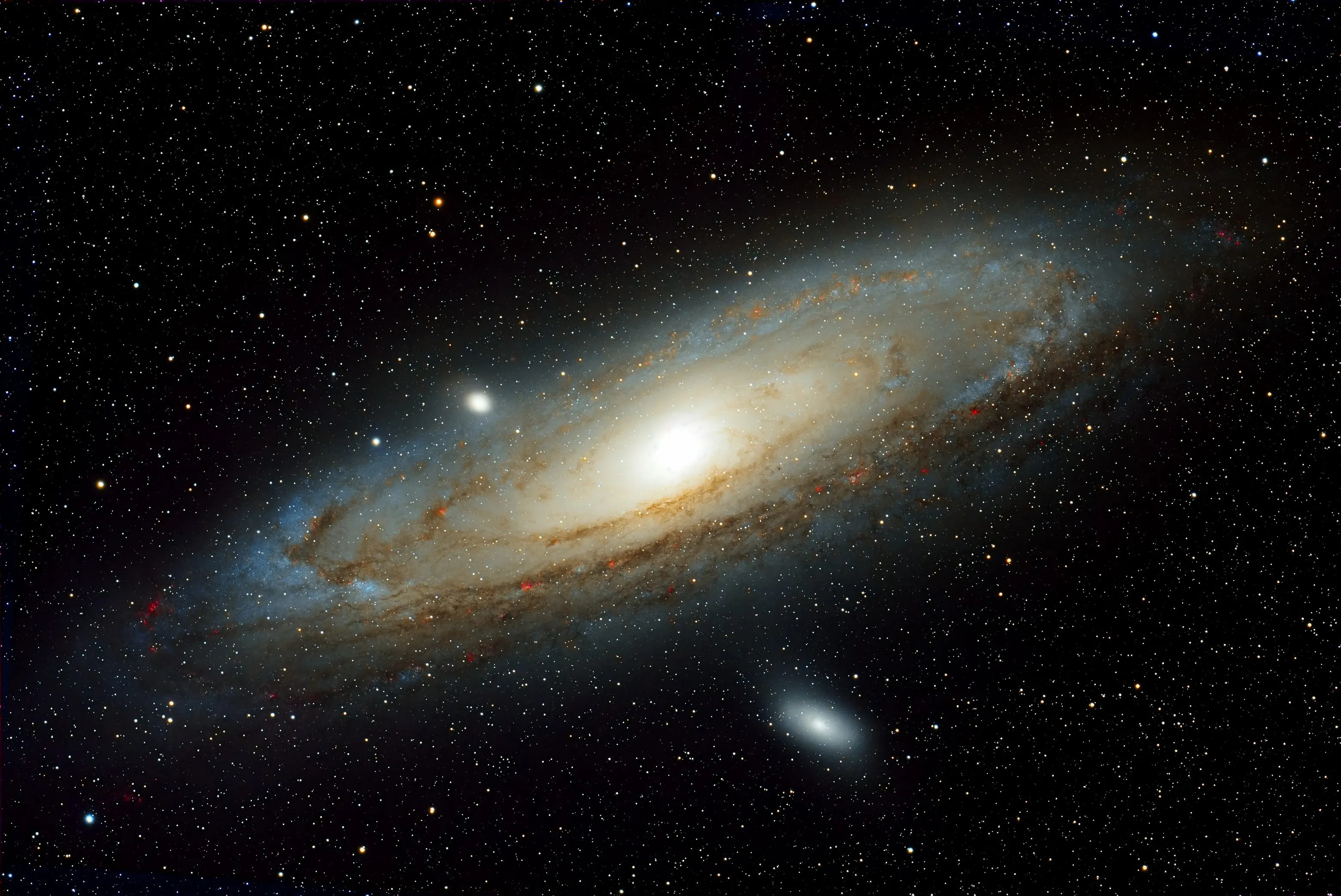
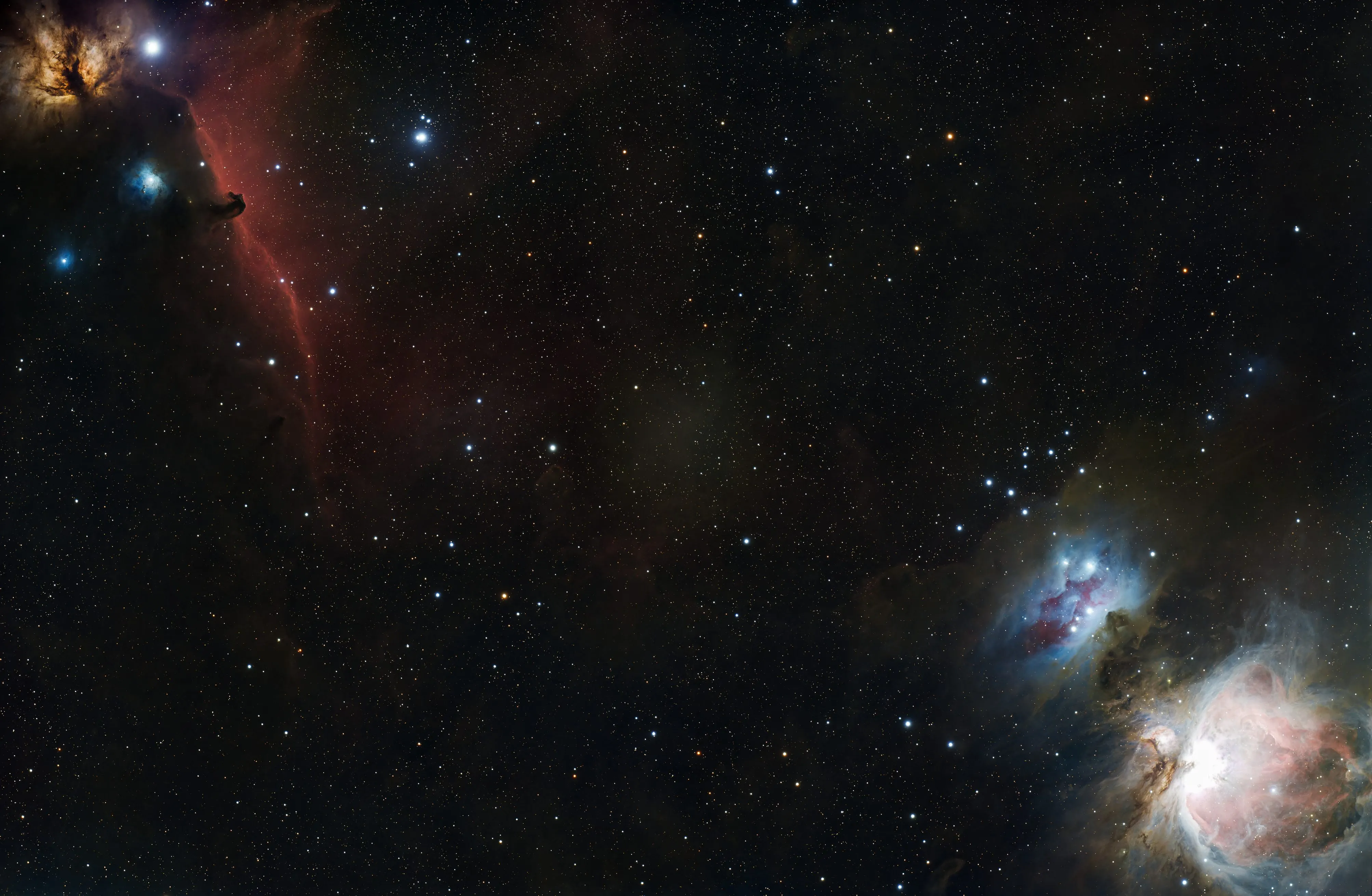
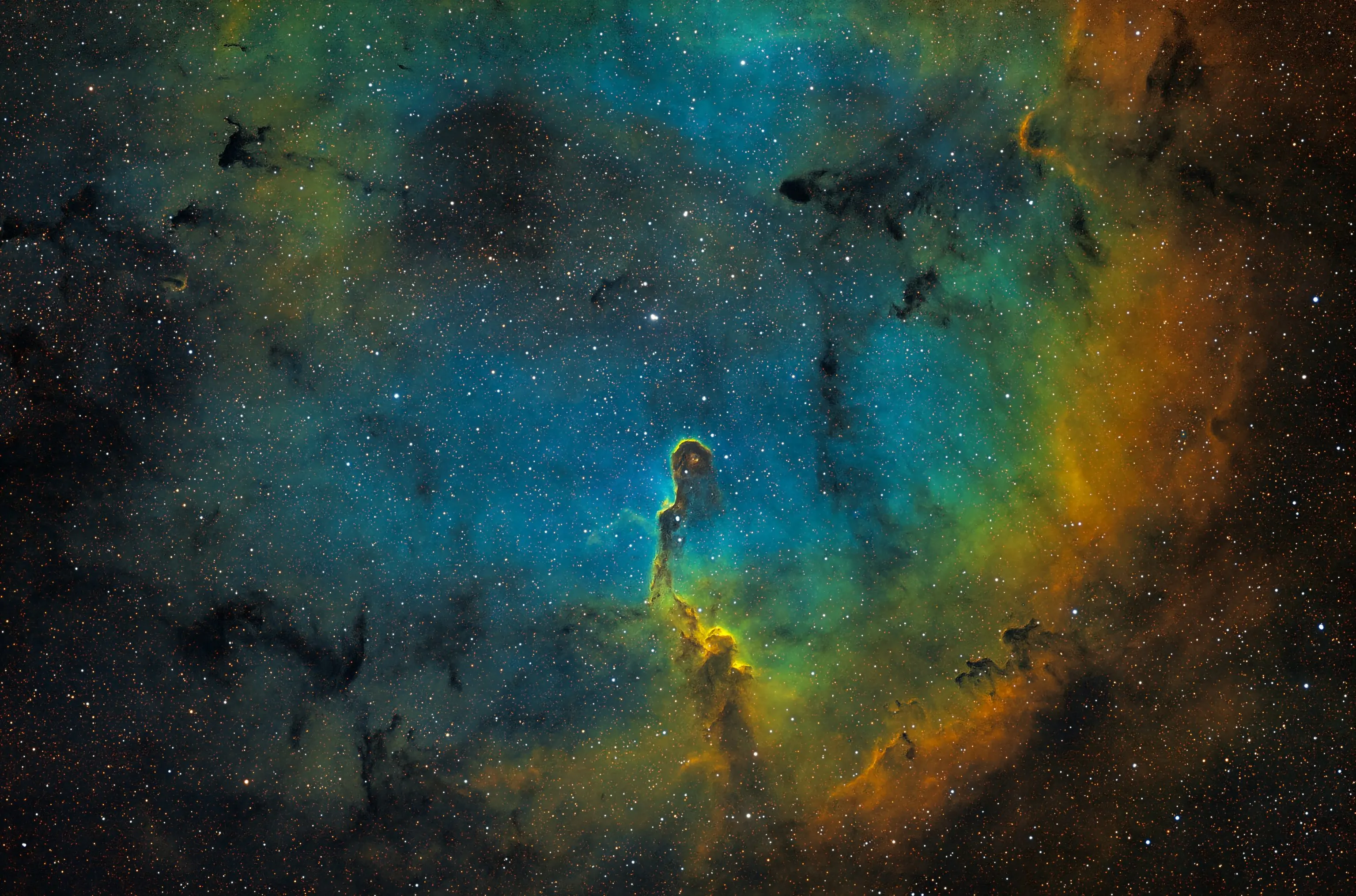
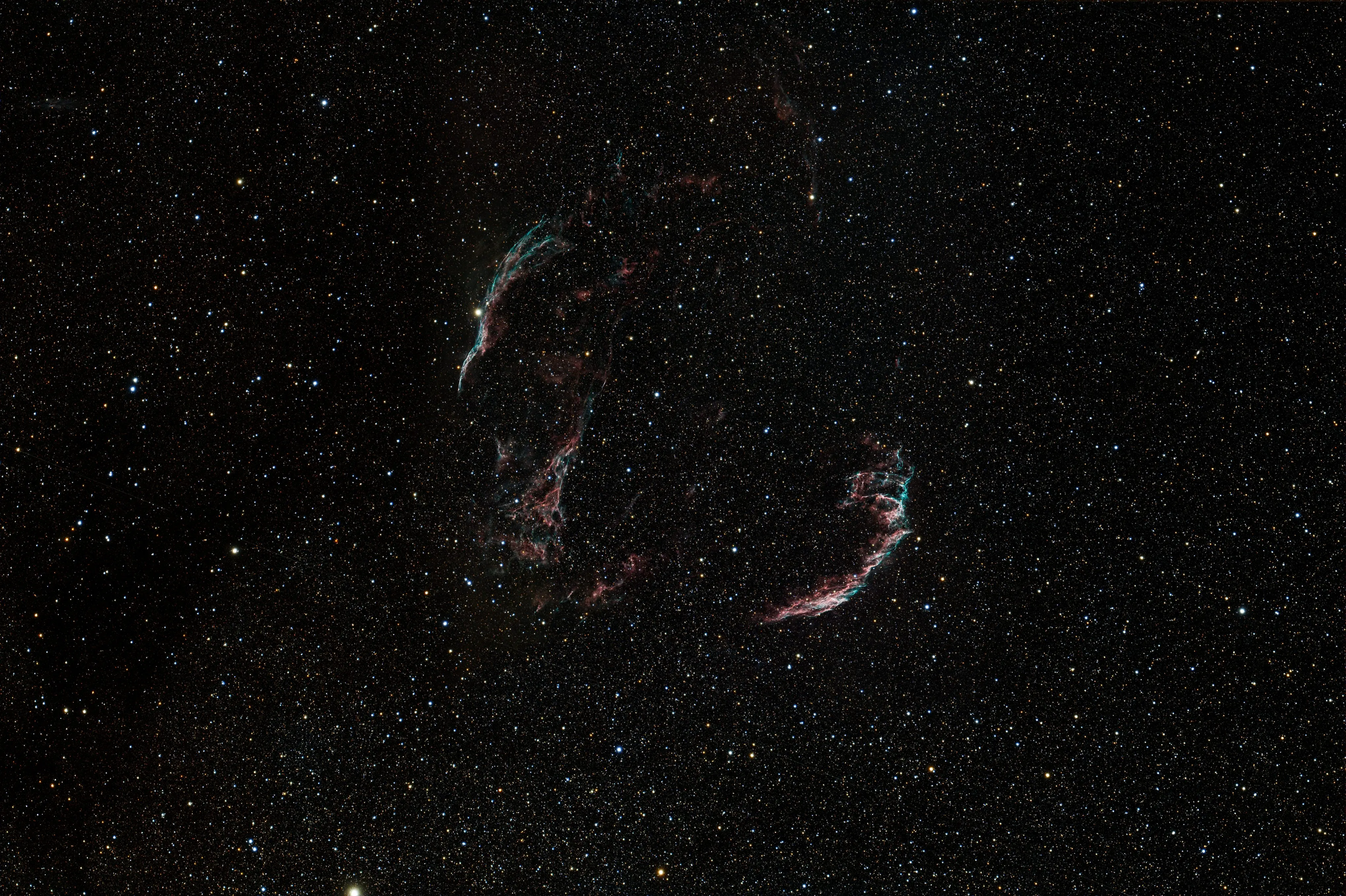
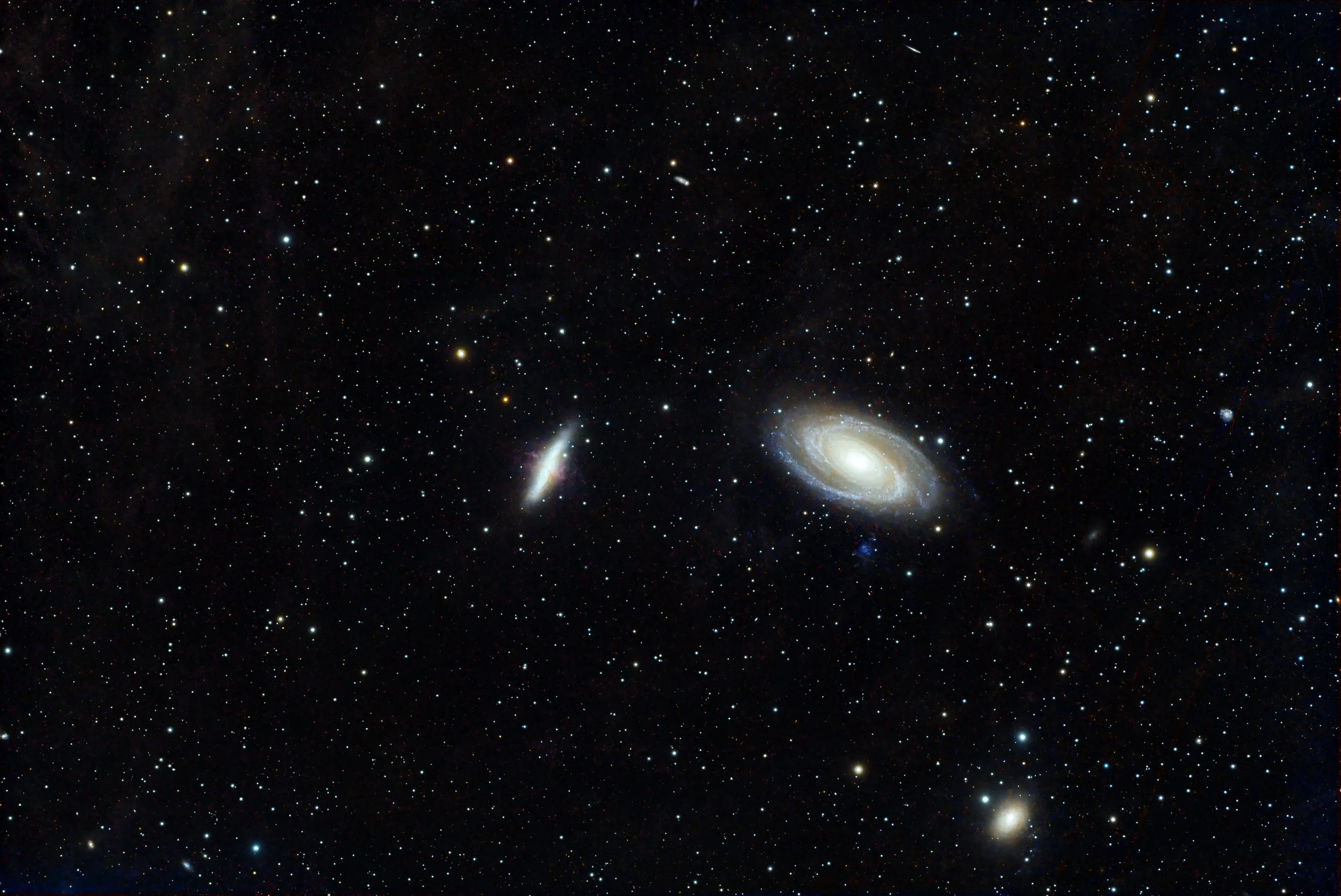
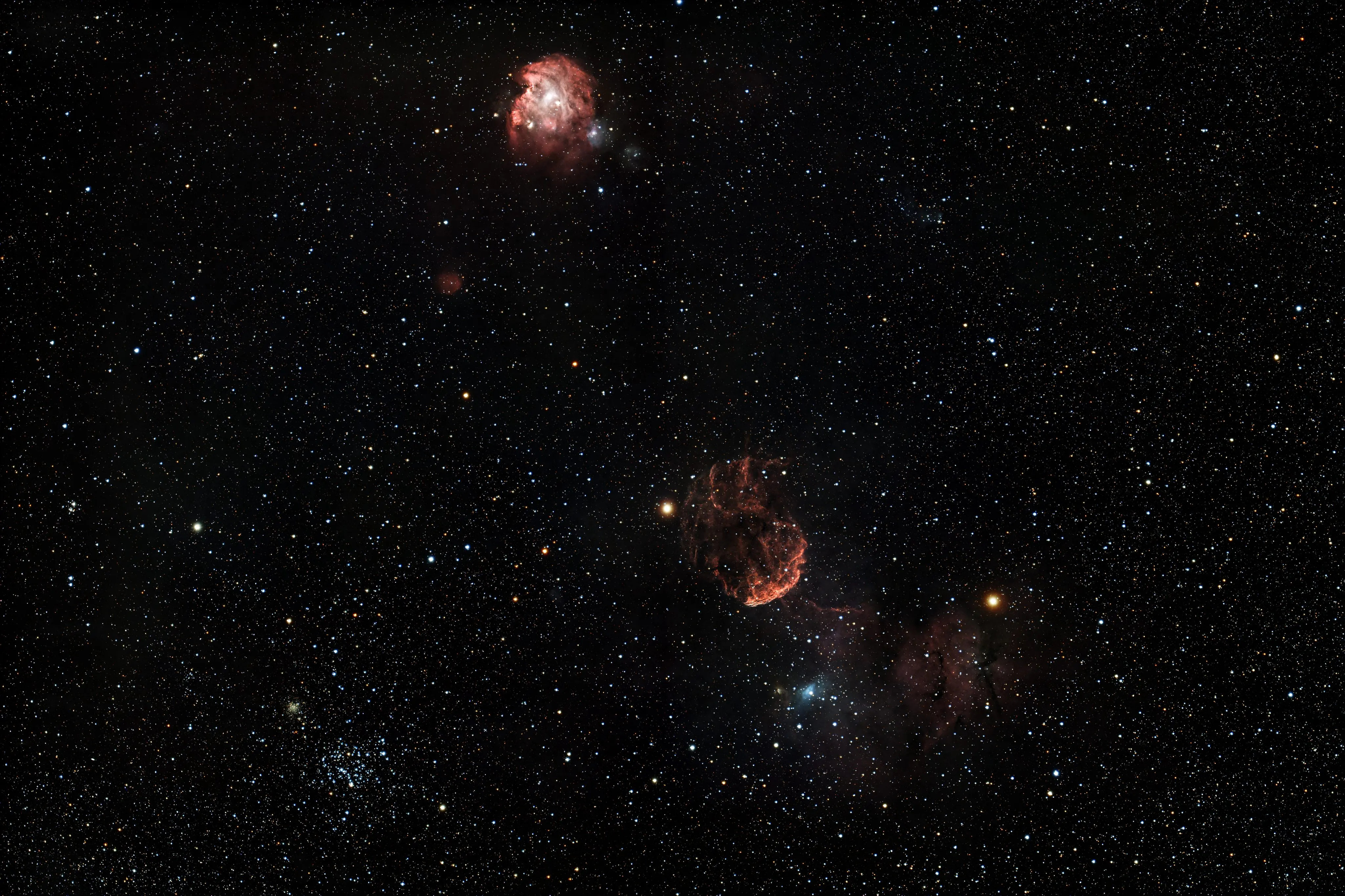
Sample captures
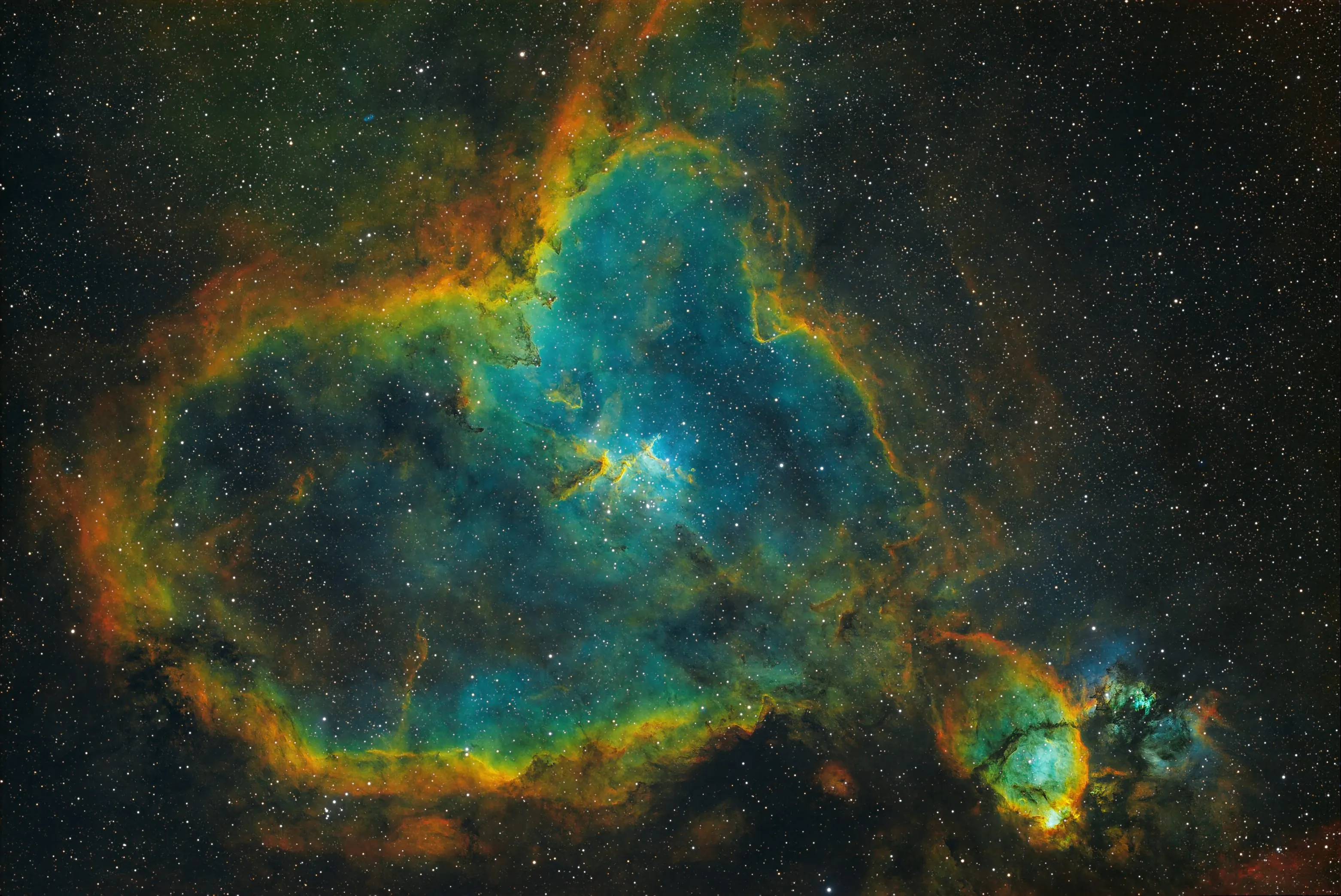
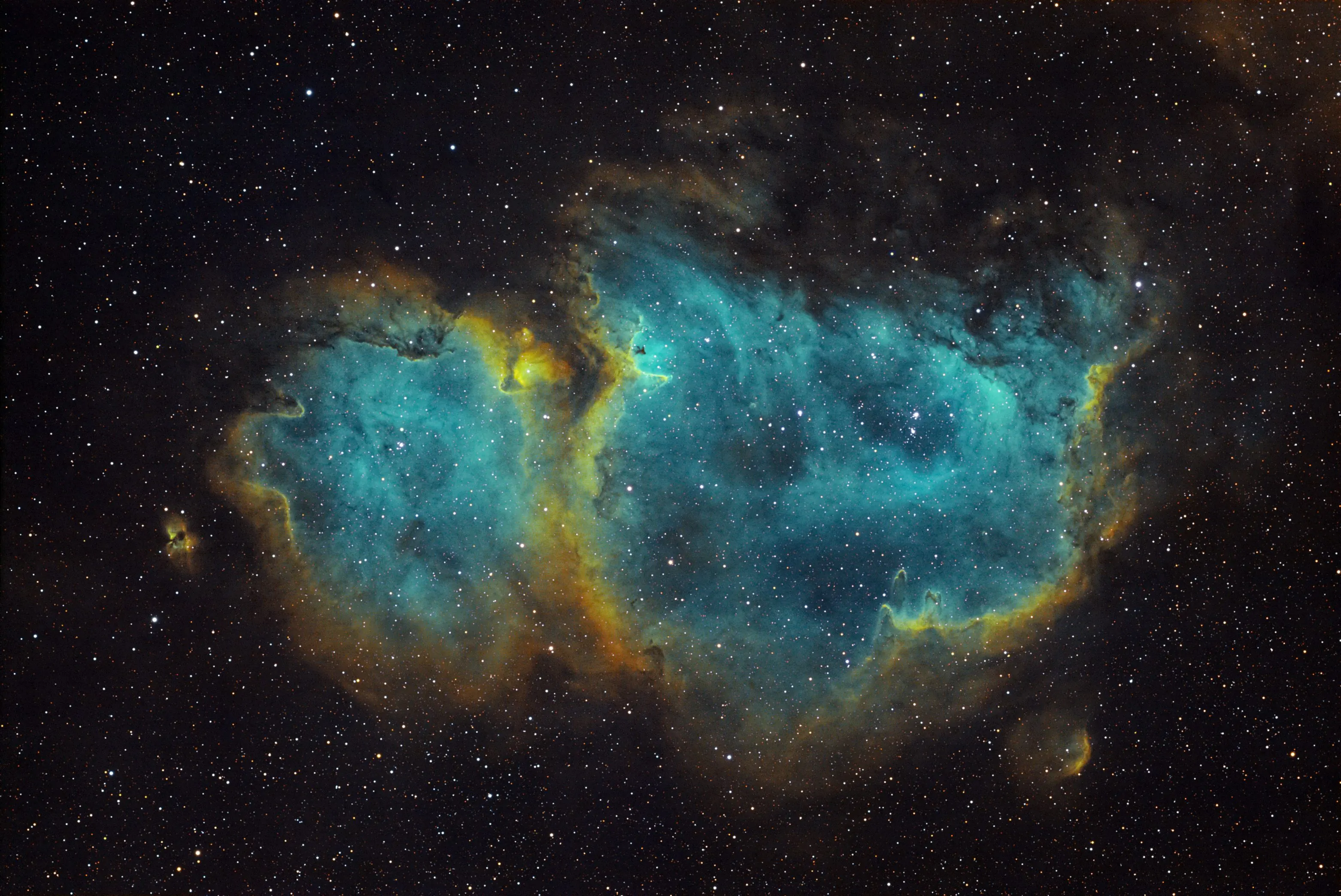
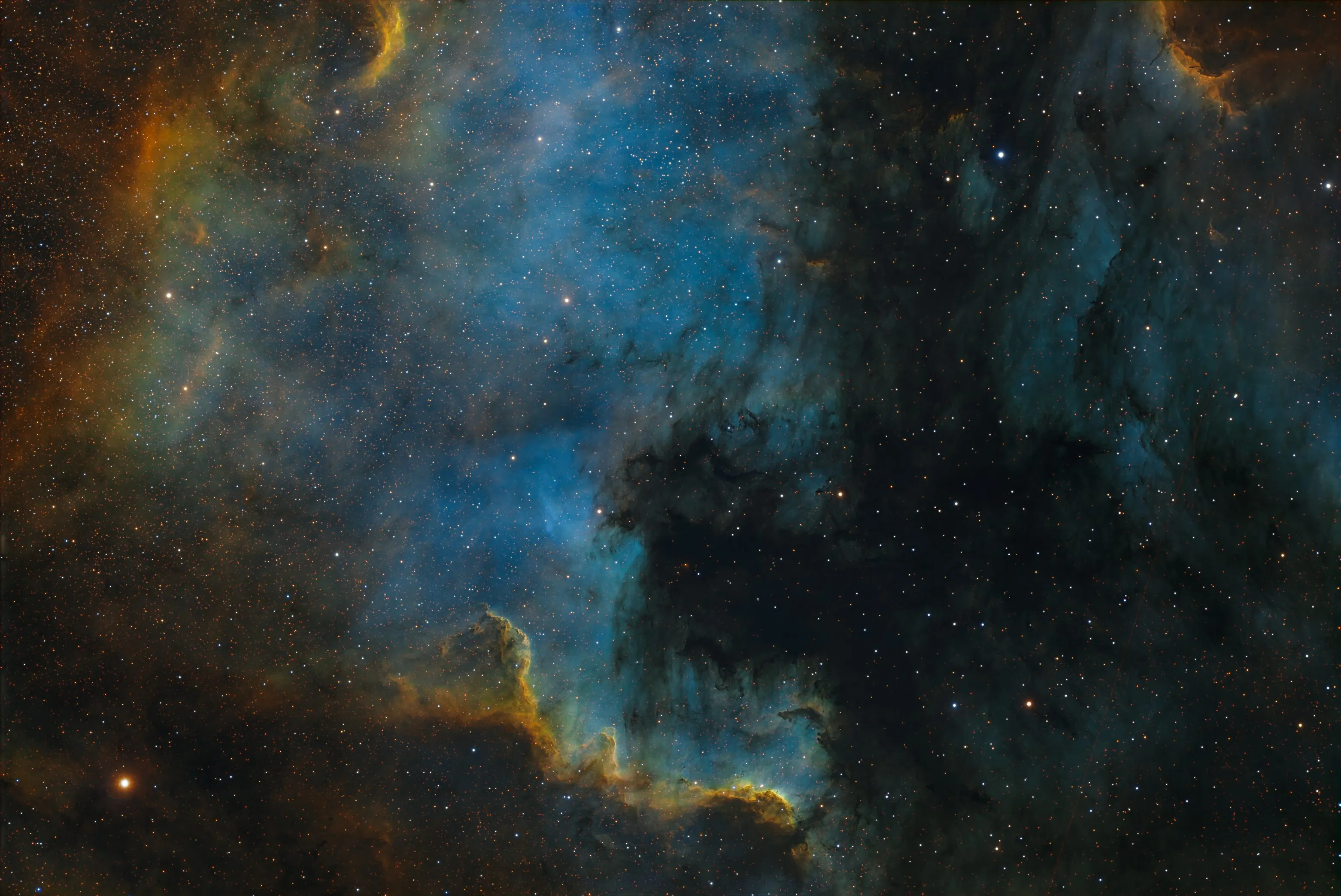
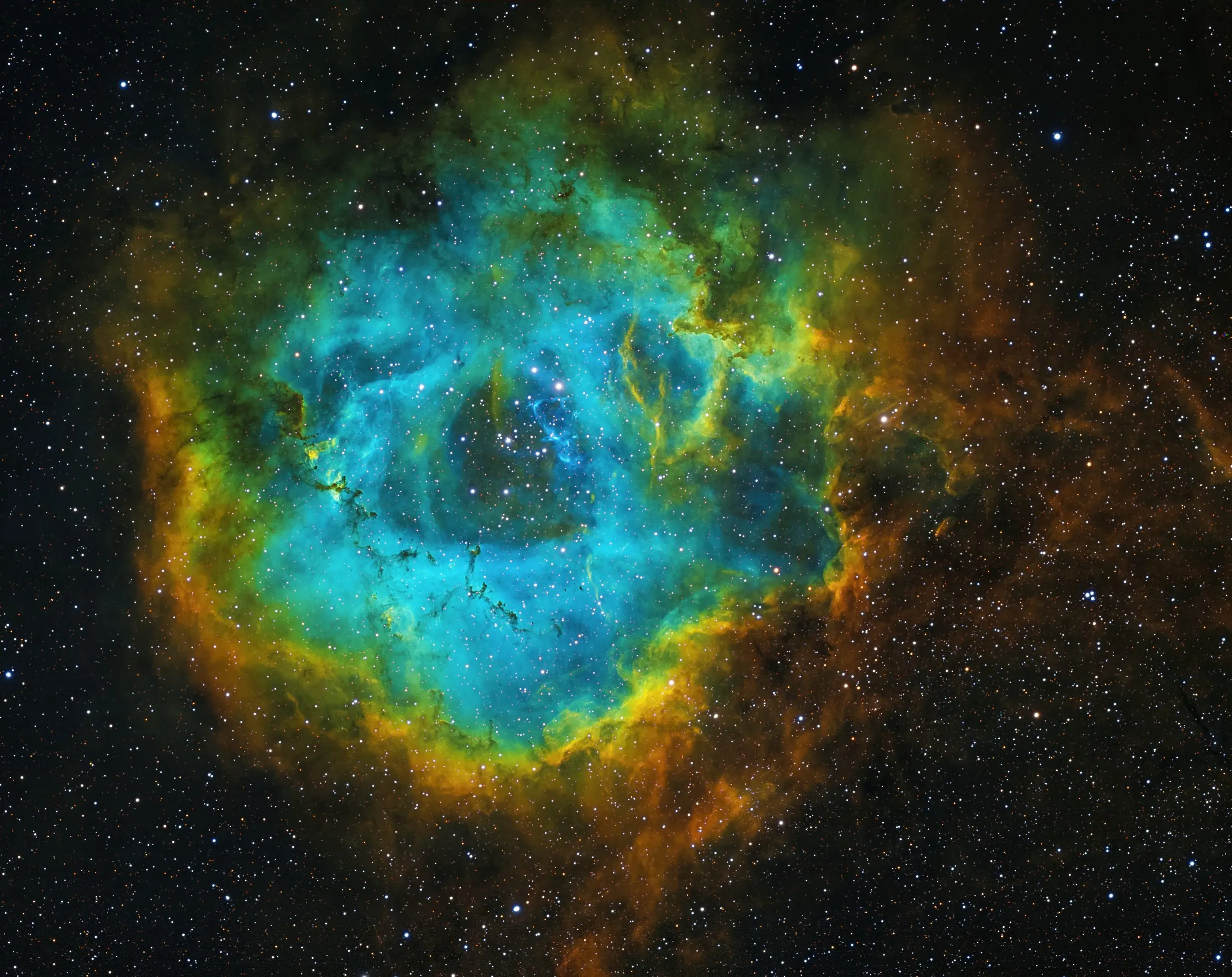
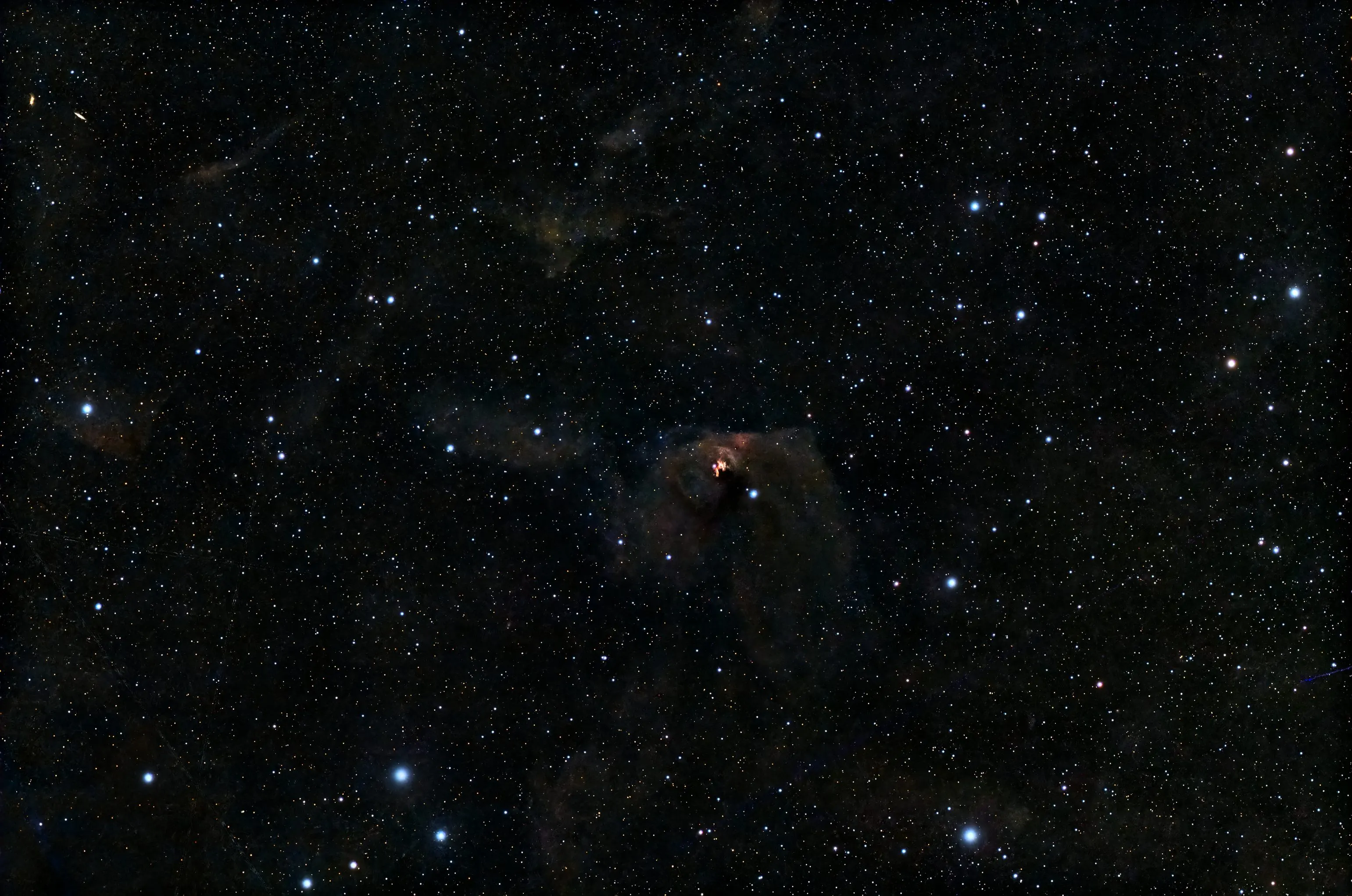
Original images captured with the Askar SQA 106. Each frame proves a specific optical claim — not just for show.
Frequently asked questions
Is the Askar SQA 106 good for astrophotography?
Yes — it is genuinely one of the best amateur astrophotography telescopes I've reviewed. The quintuplet Petzval layout with two SD elements produces sharp, vibrant images straight out of the scope, with very little post-processing needed to make the data pop. Paired with a full-frame camera like the ASI6200MM or ASI4400MC, the results are exceptional.
How much does the Askar SQA 106 cost?
At the time of this review, the Askar SQA 106 is priced at £3,395 in the UK. That firmly places it in the premium astrograph category — but given the build quality and optical performance, it represents strong value against comparably-specced competitors.
Can the Askar SQA 106 cover a full-frame sensor?
Yes. The SQA 106 offers a full-frame 44 mm image circle — confirmed in this review with pairings to the ASI4400MC and ASI6200MM. Stars stay clean to the corners with correct backfocus, and the 55 mm medium-format rating gives comfortable margin on full-frame.
Is the Askar SQA 106 travel-friendly?
Yes — surprisingly so. Despite how premium it feels, it is compact and reasonably light for a 106 mm astrograph, and the supplied soft foam carry case makes travel simple. I took this scope to the top of a volcano in Tenerife in nothing more than its foam carry case. The mount still needs to be capable in use — travel-friendly to the site, not to the tripod.
Should I wait for the Askar SQA 130?
Askar announced the SQA 130 during the making of this review — a similar design with a larger aperture and, I'd expect, a meaningfully higher price. If your budget and mount can absorb that step up, it may be worth waiting for an independent review of the SQA 130. For most imagers, though, the SQA 106 remains a smart purchase — it is proven, travel-friendly, and almost certainly cheaper.
Is the Askar SQA 106 suitable for beginners?
At £3,395 it is not a first-telescope purchase. It is a specialist imaging instrument that rewards photographers who already understand backfocus management, imaging trains, and guided setups. Beginners are better served by cheaper starter astrographs until the workflow is mastered.
What mount does the Askar SQA 106 need?
At 5.82 kg OTA, loaded rigs typically reach 7–9 kg. A mount rated for 12 kg or more imaging payload is strongly recommended — Sky-Watcher EQ6-R Pro, iOptron CEM60, or Losmandy G11. The SQA 106's own Losmandy dovetail makes mounting and demounting straightforward.
What camera works best with the Askar SQA 106?
The SQA 106 was paired during this review with the ZWO ASI4400MC and ASI6200MM — both large-sensor cameras that make full use of the 44 mm full-frame image circle. Any full-frame dedicated astronomy camera or full-frame mirrorless body will match it well. APS-C cameras work but leave image circle unused, so you pay for coverage you don't use.
Is the Askar SQA 106 worth the money?
For a full-frame astrophotographer, yes — it would have been my forever telescope. At £3,395 it is not cheap, but the optical quality, build, and travel-friendliness justify the cost. The only caveat is Askar's announcement of the SQA 130 during this review — if a larger, pricier model suits your use case better, that is worth waiting to evaluate.